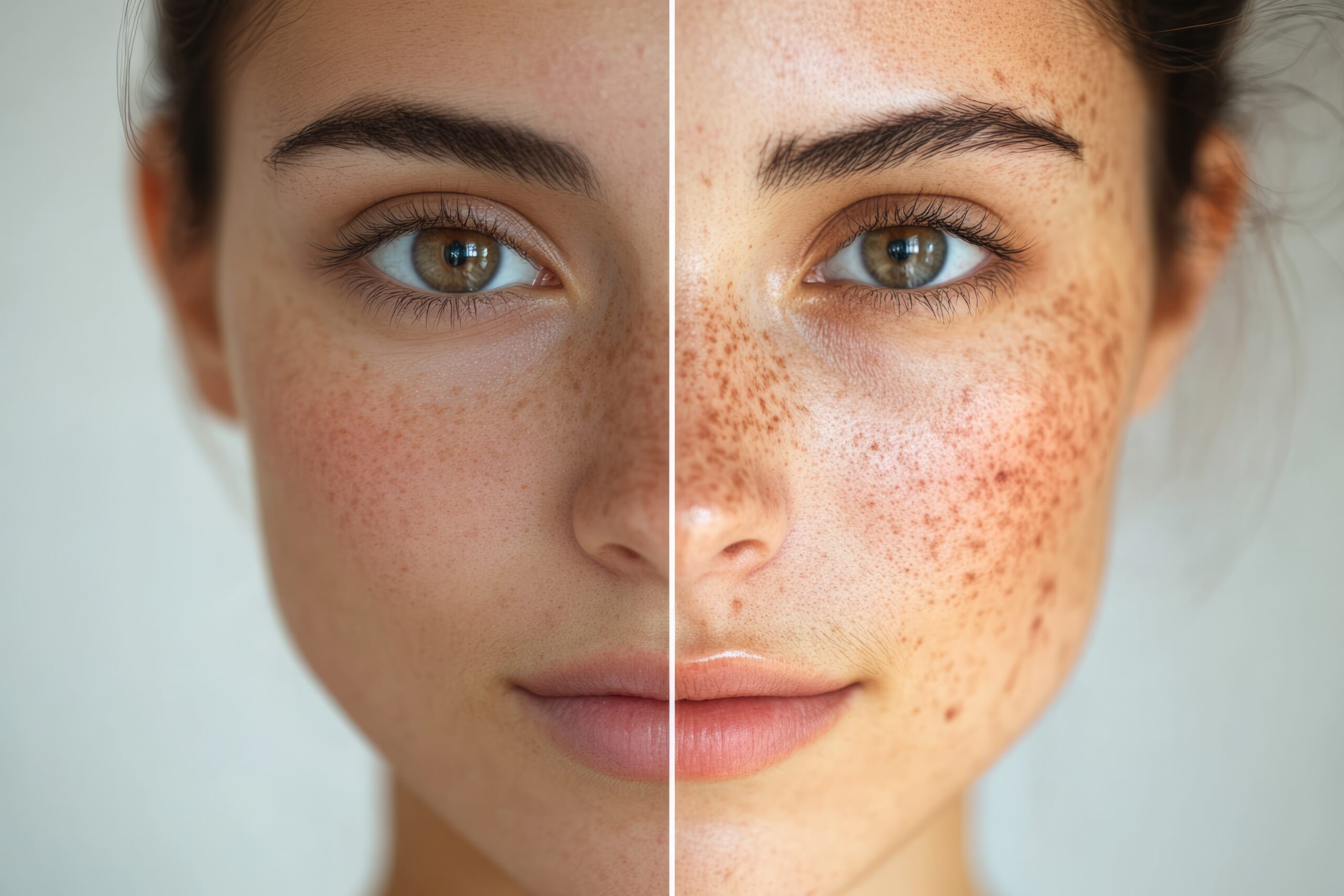


Key Takeaways:
- Malar bags, also called festoons, develop on the upper cheek and differ from traditional under-eye bags.
- Ageing, skin laxity, genetics, sun exposure, fluid retention, and previous filler can all contribute to their appearance.
- Mild festoons may respond to options such as Endolift, careful filler correction, or filler dissolving, depending on the cause.
- Moderate to severe cases may require a surgical approach such as a mid-face lift, blepharoplasty, or direct malar bag excision.
- The right treatment depends on whether the main issue is fluid retention, tissue laxity, fat descent, or excess skin.
- A proper assessment helps determine the most suitable malar bags treatment rather than treating the area like ordinary under-eye puffiness.
What are Malar Bags or Festoons?
Malar bags are soft swellings that sit on the high part of the cheek, right over the cheekbone. They are frequently confused with under-eye puffiness, but they live lower, on the malar eminence rather than inside the lower eyelid. The swelling can be due to lax skin, loosened muscle support, lymphatic congestion, sun damage, or a mix of these changes. Genetics and aging shape the risk.
Under-eye puffiness happens inside the eyelid itself and is usually due to fat herniating through a weakened orbital septum. Festoons sit outside the eyelid. That location matters because it changes the right plan for malar bags treatment. A cream for eyelid bags rarely shifts true festoons. The correct treatment for malar bags targets the malar region and the tissues that support it.
What Is the Difference Between Festoons and Under-Eye Bags?
| Feature | Under-Eye Bags | Festoons (Malar Bags) |
| Location | Appear directly beneath the lower eyelid. | Appear over the upper cheek, around the malar eminence. |
| Palpation | Fat-related bags tend to feel firmer and remain relatively fixed when touched. | Festoons tend to feel softer or spongier and may have greater mobility due to fluid and lax soft tissue. |
| Gaze Test | Often become more prominent when looking upward. | Generally show less noticeable change when looking upward or straight ahead. |
| Appearance | Usually present as puffiness beneath the lower eyelid. | Usually appear as a mound or swelling across the upper cheek and may extend towards the lower eyelid. |
| Tissues Involved | Often associated with orbital fat protrusion and changes in lower-eyelid support. | May involve fluid retention, skin laxity, and changes in the soft-tissue structures of the cheek. |
Why does the difference matter? Knowing whether the swelling originates from the lower eyelid or the malar region helps determine the right malar bags treatment and whether the eyelid, cheek, or both areas need to be addressed.
What are the Causes and Risk Factors of Malar Bags
Several factors can create or worsen festoons:
- Aging tissue support: The orbicularis oculi muscle and the retaining ligaments loosen. The malar septum can act like a dam that traps fluid on the cheek.
- Sun exposure: Ultraviolet light thins skin and weakens elastic fibers, which deepens folds over time.
- Genetics: Face shape and skin quality run in families. Some people develop malar mounds early.
- Chronic swelling: Allergies, sinus issues, and rosacea can promote persistent puffiness.
- Lifestyle: High salt intake, alcohol, and sleeping flat can worsen morning swelling.
- Previous filler: Hyaluronic acid filler placed in the wrong plane can cause malar edema. Dissolving the filler often improves the mound.
- Weight changes: Significant gain or loss can unmask or accentuate festoons.
- Smoking: Slows microcirculation and damages collagen, which can make the area look heavier.
Understanding your personal mix of causes leads to a smarter plan for treatment for malar bags.
Non-surgical Treatment Options for Malar Bags
Non-surgical plans work best for mild to moderate festoons, for early changes, or as part of a staged approach.
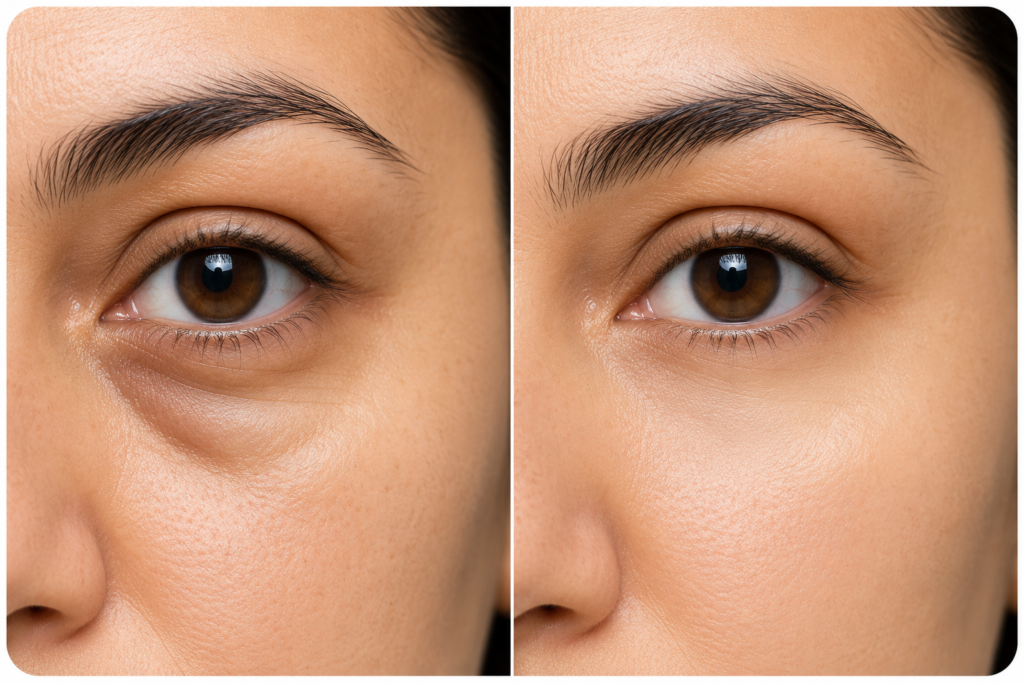
Endolift Laser Therapy
Endolift is a fiber-based laser technique that releases energy beneath the skin through a hair-thin optical fiber. The goal is threefold. First, mild fat melting in the malar mound. Second, tightening of collagen in the overlying skin. Third, improvement in lymphatic flow that helps fluid clear.
What to expect:
- Local anesthesia for comfort.
- A few tiny entry points for the fiber.
- Heat under the skin during passes.
- Swelling and tenderness for several days, sometimes a week or two.
Who benefits:
- People with soft, early festoons, mild skin laxity, and good skin quality.
- Those seeking a bridge between skincare and surgery.
What to know:
- Results build over weeks as collagen remodels.
- More than one session can be needed.
- It does not replace surgery for heavy, long-standing festoons, but it can refine shape or delay a larger procedure.
Filler correction or dissolving
Filler is a double-edged tool around the malar area. When placed carefully along the midface, it can lift support and reduce the shadow that makes festoons look deeper. However, filler placed too superficially or in a person prone to swelling may worsen malar edema.
Two pathways exist:
- Correction with filler: Structured midface support with a deep plane technique can soften the transition from lower eyelid to cheek, which makes the mound less obvious. This requires a conservative, anatomy-first approach.
- Dissolving filler: If previous hyaluronic acid is causing malar swelling, hyaluronidase can dissolve it. Many patients see a clear reduction in mound size after dissolving.
Other supportive measures:
- Daily broad-spectrum sunscreen.
- Nightly retinoid if tolerated to improve skin quality.
- Gentle lymphatic massage taught by your provider.
- Sleep with the head slightly elevated and moderate salt and alcohol.
Non-surgical plans can offer meaningful improvement for the right candidate and are part of thoughtful malar bags treatment.
Surgical Treatment Options for Malar Bags
Surgery delivers the most reliable change for moderate to severe festoons. Plans are tailored to anatomy and can address the eyelid, the cheek, or both.
Mid-face lift with Blepharoplasty
A mid-face lift repositions the descended cheek fat pads back toward their youthful location. When combined with a lower eyelid blepharoplasty, the surgeon can tighten lax muscle, smooth the lid-cheek junction, and support the outer corner of the eyelid.
Highlights:
- Addresses structural descent and laxity, which are core drivers of festoons.
- Can be performed through lower eyelid incisions with a skin-muscle flap, with lateral canthopexy for support when needed.
- Recovery includes bruising and swelling that settle over two to four weeks, with steady refinement for several months.
Good candidates have visible descent of the midface, a sharp lid-cheek step, and skin redundancy along the malar curve. This combined plan reshapes, rather than just removing skin, and is a cornerstone of durable treatment for malar bags.
Direct excision of Malar Bags
Malar bag excision is a targeted removal of redundant skin and soft tissue directly over the festoon. The incision sits along a natural crease on the upper cheek to reduce visibility.
When it helps:
- Severe, long-standing festoons with crepe skin and obvious redundancy.
- Recurrent festoons after other procedures.
Pros:
- Strong, immediate debulking of the mound.
- Precise trimming of excess skin that devices cannot tighten enough.
Considerations:
- A thin scar along the malar crease that fades over time.
- Careful patient selection to avoid eyelid malposition.
- The need for experienced surgical judgment on how much to remove.
For selected patients, malar bag removal by direct excision offers the most direct fix.
Comparison Table: Treatment Options for Malar Bags
| Option | Best for | Sessions | Typical downtime | Longevity | Advantages | Considerations |
| Endolift laser therapy | Mild to moderate festoons with soft tissue laxity | 1 to 2 | Days to 2 weeks of swelling | Months to years with skincare and lifestyle | Tightens skin, improves contour, tiny entry points | Multiple visits may be needed, effect size modest in severe cases |
| Filler correction | Shadowing from midface deflation, mild festoons | 1 | Minimal bruising and swelling | 9 to 18 months, varies by product | Restores support, improves transition | Risk of swelling if placed superficially, needs expert technique |
| Filler dissolving | Malar edema caused by prior hyaluronic acid | 1 to 2 | Low, mild swelling | Lasting if the true cause is filler | Rapid relief from filler-related puffiness | Does not correct laxity or true festoons from aging |
| Mid-face lift with blepharoplasty | Moderate to severe festoons with descent and laxity | 1 | Two to four weeks social downtime | Long lasting with natural aging | Reshapes structure, smooths lid-cheek junction | Requires surgery, careful recovery and follow-up |
| Direct excision of malar bags | Severe festoons with extra skin | 1 | Two to three weeks visible healing | Long lasting with proper selection | Strong debulking, precise malar bag removal | Scar along malar crease, needs experienced surgeon |
Recovery and Aftercare for Malar Bags Treatment
Your recovery depends on the plan you choose. Use these general guides and follow your provider’s specific instructions.
After Endolift or device-based tightening
- Expect warmth, swelling, and tenderness for several days.
- Sleep with your head elevated for a week.
- Use cold compresses in short intervals on day one.
- Avoid heavy exercise for 48 hours.
- Protect the area from sun.
- Results build over six to twelve weeks.
After filler correction
- Mild swelling and small bruises can occur.
- No heavy massage for the first day.
- Watch for visible swelling along the malar line. If it persists, review with your injector.
- Photos at two to four weeks help judge subtle changes once swelling settles.
After filler dissolving
- Temporary redness or mild swelling is common.
- The area may look a bit flatter quickly.
- Reassess at two weeks. Your provider will decide whether a second dissolving session or a deep support plan is useful.
After mid-face lift with blepharoplasty
- Keep your head elevated.
- Use prescribed cold compresses and ointments.
- Sutures usually come out within a week.
- Bruising and swelling improve over two to four weeks.
- Avoid smoking and heavy lifting during early healing.
- Report any significant pain, changes in vision, or persistent tearing.
After direct excision of malar bags
- Incision care is essential. Keep the area clean and protected.
- Scar care starts once healed, with sunscreen and silicone support as advised.
- Swelling softens steadily over weeks.
- Final contour and scar maturation continue for several months.
Good hydration, consistent sleep, and sun protection help every plan work better. If you are prone to swelling, limit salt, avoid alcohol during early recovery, and consider gentle lymphatic self-massage once cleared by your provider.
What are the Benefits of Malar Bags Treatment in Mumbai, India?
- Fresher midface: The lid-cheek junction looks smoother, which makes the face appear rested.
- Better balance: Repositioning or removal of excess tissue restores the natural curve of the cheek.
- Makeup sits cleaner: Creasing and shadowing decrease, so concealer and blush blend more evenly.
- Photographic confidence: Harsh lighting highlights festoons. Reducing them improves how you look in photos and videos.
- Durability: Surgical plans such as mid-face lift with blepharoplasty or malar bag excision provide long-lasting change, while non-surgical plans can maintain or refine results over time.
- Custom path: You can start with conservative steps and move to surgery only if needed, or choose a comprehensive plan from the start.
Conclusion
Malar bags are difficult to treat precisely because they don’t all arise from the same underlying mechanism. Some are primarily driven by fluid retention, while others involve skin laxity, descent of the malar fat pad, age-related changes, or prior filler placement. This is why managing them as ordinary under-eye bags often fails to produce the intended result.
Several treatment approaches exist, ranging from conservative measures and device-based therapies to filler correction and surgical intervention. The most suitable treatment depends on the underlying anatomy, severity of presentation, and the quality of the skin and supporting soft tissue.
A consultation with an experienced dermatologist or facial plastic surgeon helps establish what is actually causing the festoon, and whether a non-surgical or surgical approach is more clinically appropriate for that individual case.
FAQs About Malar Bag Treatment
Can malar bags go away on their own?
Mild puffiness caused by temporary fluid retention may improve on its own. However, persistent festoons caused by skin laxity, tissue descent, or structural changes usually need targeted treatment.
Can skincare or eye creams get rid of malar bags?
Skincare can improve skin quality and help protect against further sun damage, but creams generally cannot correct significant tissue laxity, fat descent, or persistent fluid accumulation that causes true festoons.
Are malar bags permanent?
Not always. Temporary swelling can come and go, while structural festoons tend to persist or it can become more noticeable with age. Treatment can improve their appearance, although natural ageing continues.
What is the difference between malar bags, festoons and under-eye bags?
Under-eye bags sit directly beneath the lower eyelid and often result from protruding orbital fat. Malar bags or festoons sit lower, over the cheekbone, and can involve fluid retention, skin laxity, and changes in soft-tissue support.
Can Botox treat malar bags or festoons?
Botox is not usually a primary treatment for true festoons. Because malar bags often involve fluid, skin laxity, or structural changes, treatments that address these factors may be more appropriate.