
Key Takeaways:
- Skin rejuvenation treatments address concerns such as pigmentation, fine lines, acne scars, enlarged pores, and uneven texture.
- Different skin types, tones, and concerns can respond differently to the same treatment.
- Laser, microneedling, chemical peels and radiofrequency work through different mechanisms and may suit different skin concerns.
- Some patients may benefit from a combination or staged treatment approach.
- A professional skin assessment helps determine the most appropriate treatment and treatment intensity.
- The number of sessions and results depend on the individual’s skin condition and response to treatment.
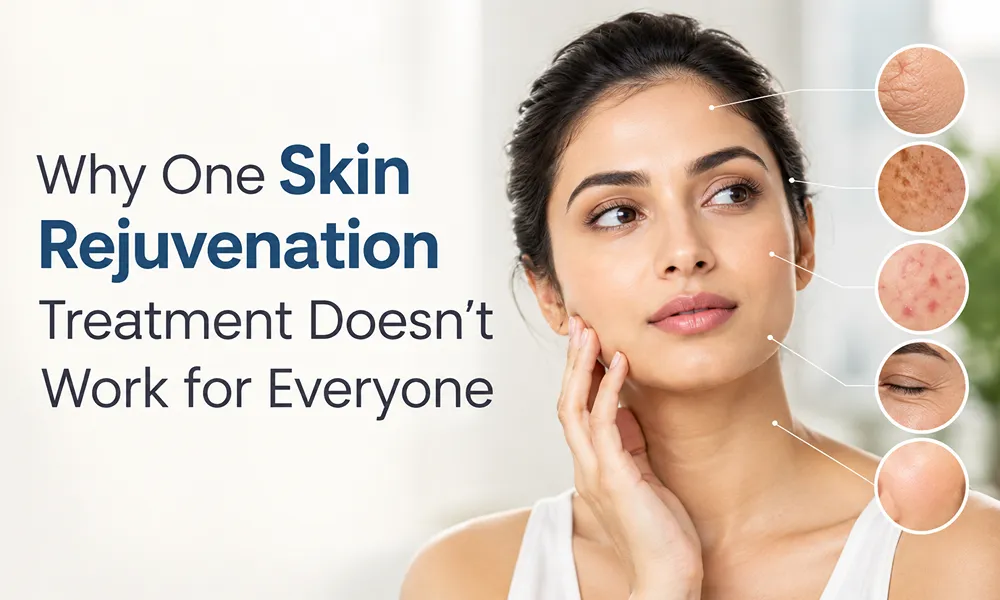
Most people come in for skin rejuvenation because something about their skin has started to bother them. Maybe it’s dark patches that won’t fade, or old acne scars, or pores that seem bigger than they used to be. For some, it’s just that the skin looks tired and flat. There isn’t one treatment for all of this. Scarring and fine lines usually need something that gets the skin to make more collagen. Dullness often improves once old cells are cleared away faster. Pigment and redness are treated differently again.
And two people can have the same treatment and walk away with quite different results. A lot comes down to the skin itself. Darker and lighter skin tones react differently, older skin has less collagen to work with, and years of sun damage change things too. Some people also just heal faster than others. So before recommending anything, we look at your skin first and plan around what it actually needs.
What Is Skin Rejuvenation?
Skin rejuvenation isn’t a single procedure. It covers several treatments that work on the skin’s quality, texture, and overall appearance. Some stimulate collagen production, others speed up cellular turnover, and some target pigmentation or irregular surface texture, depending on what needs correcting.
Patients usually seek it for fine lines, acne scarring, enlarged pores, dullness, hyperpigmentation, or reduced skin laxity. No one approach suits everyone. The right choice depends on the concern itself, the patient’s skin type, and how advanced the changes are.
Why One Treatment Doesn’t Work for Everyone
Skin does not respond to treatment in a uniform way. Its type, tone, and condition, as well as the underlying concern, all determine how it reacts. A procedure indicated for acne scars, for instance, may not be suitable for pigmentation. Treatment intensity also has to be modified according to skin sensitivity and the risk of post-inflammatory hyperpigmentation.
Age is another factor, since collagen synthesis and skin elasticity gradually diminish over time. Sun exposure, smoking, skincare practices, and lifestyle habits can influence skin quality and recovery as well. This is why two patients undergoing the same procedure may still see different results, as individual healing and collagen response vary.
Choosing the Right Skin Rejuvenation Treatment
Different skin concerns call for different treatment approaches. The choice is made after considering the condition itself, the patient’s skin type and tone, the area to be treated and how much change is needed.
- Laser skin rejuvenation: Used for pigmentation, uneven texture, fine lines and other signs of photodamage. The results depend largely on the type of laser technology chosen.
- Microneedling: Works by creating controlled micro-injuries in the skin, which stimulates collagen production. It is frequently recommended for acne scars, enlarged pores and uneven texture.
- Chemical peels: A controlled chemical exfoliation that improves surface pigmentation, dullness and texture, and can help with some acne-related concerns too.
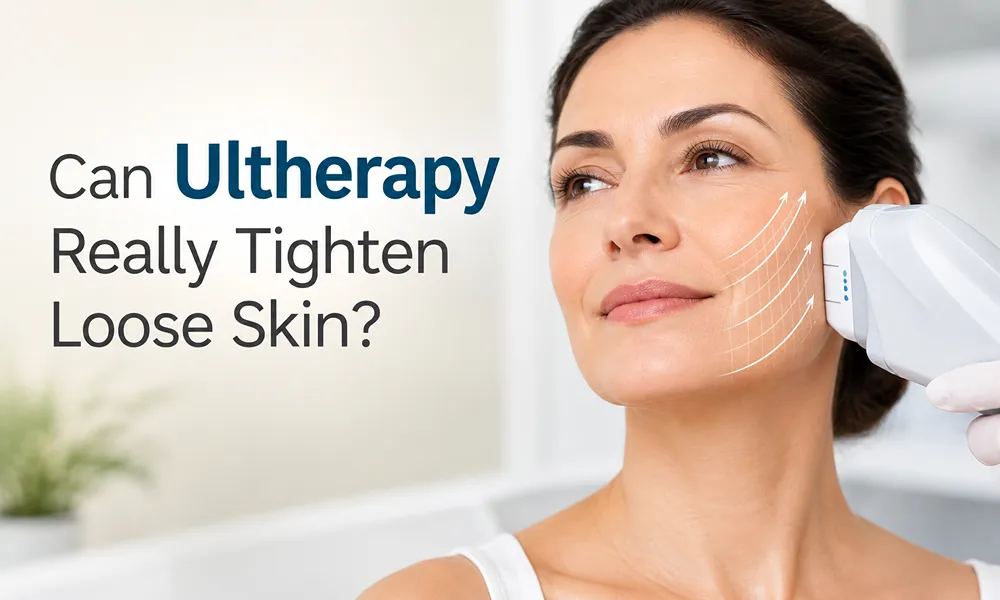
- Radiofrequency treatments: Thermal energy is delivered to the skin in a controlled manner. This supports collagen remodelling and may improve mild laxity.
- Combination or staged treatments: Many patients present with more than one concern, so a single treatment is not always enough. Treatments can be combined or planned in stages based on clinical assessment and the skin’s response.
Why Personalised Treatment Matters
Skin rejuvenation gives the best results when the treatment suits the skin, rather than being chosen only because it is a popular procedure. This is where a professional assessment makes a real difference. It helps identify the main concern, evaluate skin type and tone, and confirm whether the skin is suitable for a particular treatment before anything is started.
It also helps patients know what to realistically expect. Some concerns improve after a single session, while others need multiple sessions or a combination of procedures over time. The plan is not fixed either. It can be adjusted as the skin responds, keeping the focus on visible improvement without compromising safety or recovery.
How to Choose a Skin Rejuvenation Clinic
When choosing a skin rejuvenation clinic, the focus should be on the clinical assessment and treatment plan, rather than a particular procedure or advertised result. A qualified professional should evaluate your skin type, tone, concerns, and medical history before recommending a treatment. It is also important to understand the treatment process, expected results, possible side effects, and aftercare requirements.
Conclusion
There is no single skin rejuvenation treatment that suits every patient. Skin type, the concern being treated, the degree of collagen loss, and individual healing response all affect how the skin reacts to a procedure. Laser treatments, microneedling, chemical peels and radiofrequency each act on the skin through a different mechanism, and each is better suited to certain concerns than others.
A thorough skin assessment is what determines the appropriate treatment, or combination of treatments, for each patient. Based on the skin’s condition, the treatment intensity and number of sessions can then be planned accordingly. Patients are also given a realistic understanding of the results they can expect.
FAQs
What is the best skin rejuvenation treatment?
No one treatment is ideal for every patient. The right choice is based on the skin concern, skin type and tone, the area being treated and how much improvement is needed.
Why do skin rejuvenation results vary?
Each patient’s skin is different. Skin type, age, collagen levels, sun exposure, lifestyle and healing capacity all influence how the skin responds to treatment, so results are rarely identical.
Is laser skin rejuvenation suitable for everyone?
Not always. The laser has to be selected according to skin type, tone, condition and the concern being treated, which is why a professional assessment is carried out beforehand.
How many treatments are needed?
This depends on the treatment chosen, the condition being addressed and how the skin responds. Certain concerns need several sessions, and some are best managed through a staged treatment plan.
Can different rejuvenation treatments be combined?
Yes, in selected cases. Laser, microneedling, chemical peels or radiofrequency can be combined or carried out in stages when more than one concern is present. Any combination is planned only after the skin has been assessed.